Cultural differences often create an invisible barrier to effective execution. Whether the differences are international or merely inter-departmental, the clash of cultures can impair the ability of an enterprise to succeed. What’s worse, they often go unrecognized. An enterprise opening up a new office in another country discovers that its operations are not achieving expected results. They are using processes that they have used successfully for decades at home and never question their effectiveness in the new culture. Instead, they treat the symptoms by blaming the manager. After changing management a few times, they then withdraw altogether. They may never recognize that the underlying cause of the symptoms was a cultural difference that impaired the effectiveness of their proven process.
In other situations, the failure of the IT department to acknowledge the need for flexibility of an operating department causes the operating group to create their own solution. The new solution is not only inefficient from an enterprise perspective but presents various security vulnerabilities which lead to exploitation by an adversary.
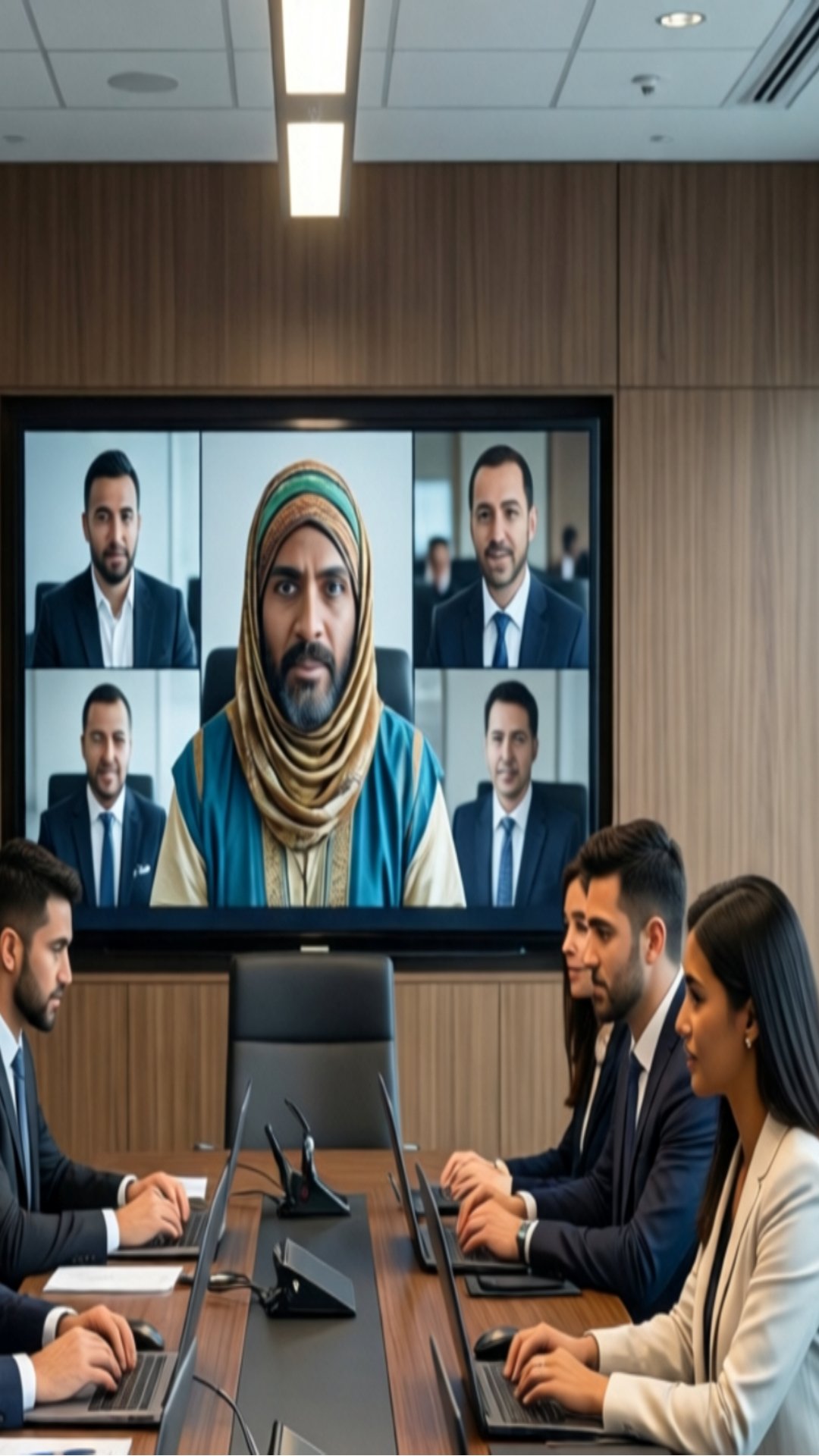
Cross-cultural facilitation refers to methods and practices that enable productive collaboration among participants from different cultural, national, or social backgrounds. Within RMTM’s service context, it supports the design and management of collaborative processes that bring together diverse stakeholders while ensuring mutual understanding, equitable participation, and effective communication.
Organizations and collaborative initiatives increasingly operate in environments where participants come from diverse cultural backgrounds. Differences in communication styles, decision-making norms, values, and expectations can create barriers to collaboration if they are not carefully managed.
Cross-cultural facilitation addresses these challenges by designing interaction processes that acknowledge cultural diversity while promoting shared understanding and inclusive participation. Facilitators guide discussions, structure interactions, and implement techniques that help participants communicate effectively despite differences in language, perspectives, or cultural norms.
In RMTM’s context, cross-cultural facilitation may be integrated into complex problem-solving initiatives involving multiple organizations, international teams, or communities with varied cultural backgrounds. Through structured dialogue, collaborative activities, and carefully designed engagement processes, participants are able to exchange ideas, build trust, and contribute meaningfully to collective outcomes.
The approach ensures that cultural differences become a source of insight and creativity rather than a barrier, allowing organizations to leverage diverse perspectives when addressing complex challenges.
Core Service Components
Facilitation of discussions among culturally diverse stakeholders
Structured collaboration processes that encourage inclusive participation
Techniques for managing cultural differences in communication and interaction
Design of engagement formats that support mutual understanding
Guidance and moderation during cross-cultural group activities
Functional Capabilities
General
- Managing dialogue among participants from different cultural backgrounds
- Structuring collaborative problem-solving sessions across cultures
- Create communications plan to address cultural barriers
- Manage organizational change to resolve cultural differences
- Ensuring equitable participation and balanced communication
- Integrating diverse perspectives into shared decision processes
- Facilitating consensus and mutual understanding in multicultural groups
- Manage organizational change to resolve cultural differences
- International operatations optimization
- Identify the reasons that proven processes fail when exported to other national/regional markets
- Modify processes to account for cultural differences
- Interdepartmental failitation
- Identify the reasons that processes that cross departmental barriers fail
- Devise solutions to overcome barriers
- Transgenerational facilitation
- Facilitate understanding of unique values and motivators among different generations
General
Value to Organizations
Cross-cultural facilitation enables organizations to collaborate effectively across cultural boundaries. It reduces misunderstandings, strengthens communication, and allows diverse teams to work productively toward shared goals. By creating inclusive and well-structured collaboration environments, organizations can leverage cultural diversity as a source of innovation, creativity, and more comprehensive problem-solving.
Application Areas
International or multinational project teams
Global organizational collaborations
Multi-stakeholder initiatives involving culturally diverse groups
Community or social programs involving different cultural communities
Strategic workshops or decision processes with international participants